Where care
puts down roots.
Permanent destinations turn a fostering experience into lasting native habitat.
Fostering is temporary. Habitat is the destination.
After a plant is fostered, it can stay with the community that cared for it or move on to another permanent habitat site. Both paths give the plant a place to keep growing and supporting local habitat.
Keep it on site
Some communities have a suitable place to plant what they foster. Crossroads, KADEP, Elk Run, New Mercer Commons, and Marycrest all used this pathway during the Year 1 pilot.
Send it forward
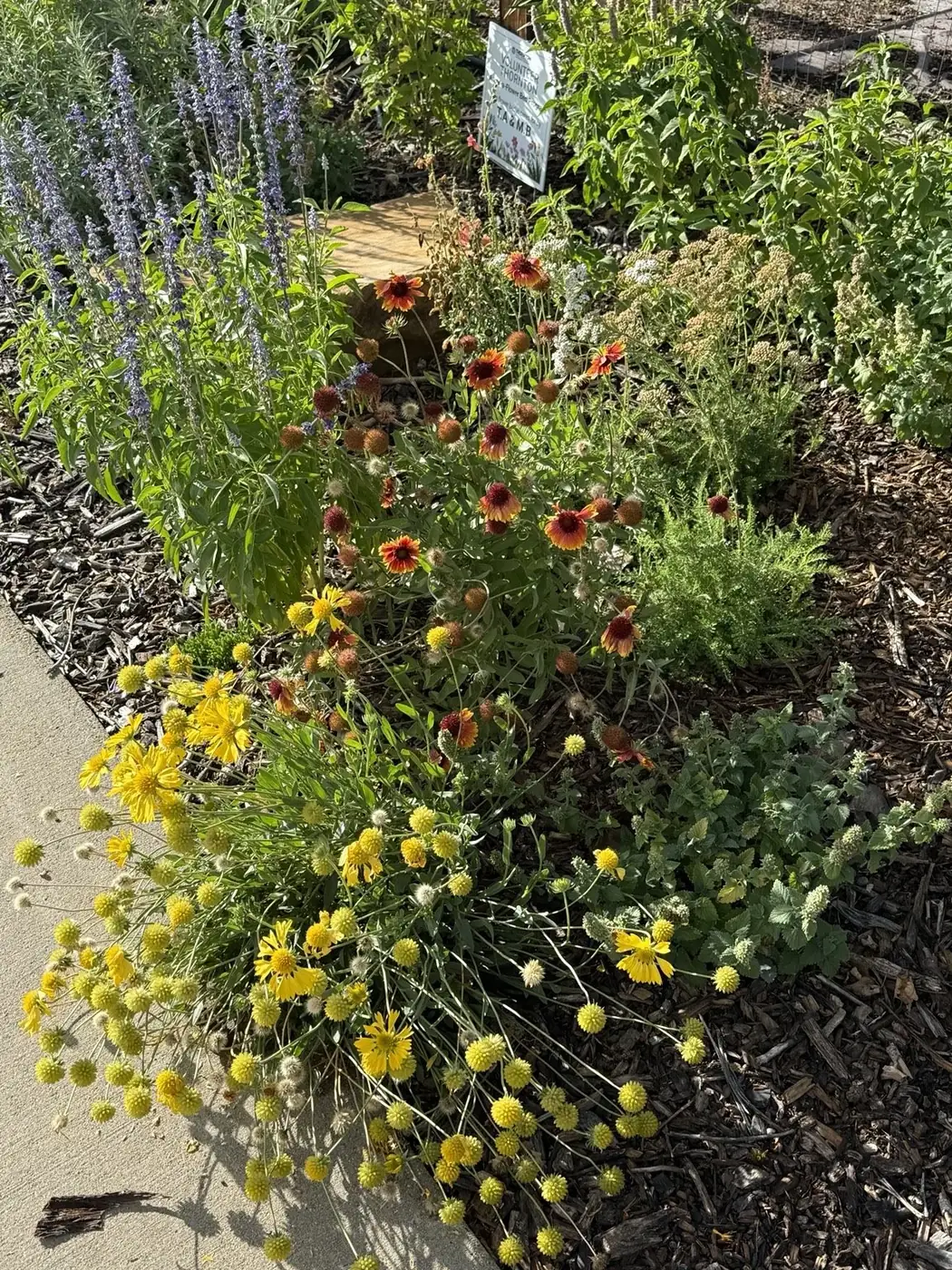
Other plants moved on to school gardens, public flower beds, a food forest, open space, and a pocket prairie. Follow-up photos can bring that story back to the people who fostered them.
Sometimes the foster community becomes the Forever Habitat Home.
Not every foster plant needs to move somewhere else. At KADEP and Crossroads, foster plants were kept by the communities that cared for them. The handwritten plant names are part of the story too, showing how participants made the plants their own during fostering.
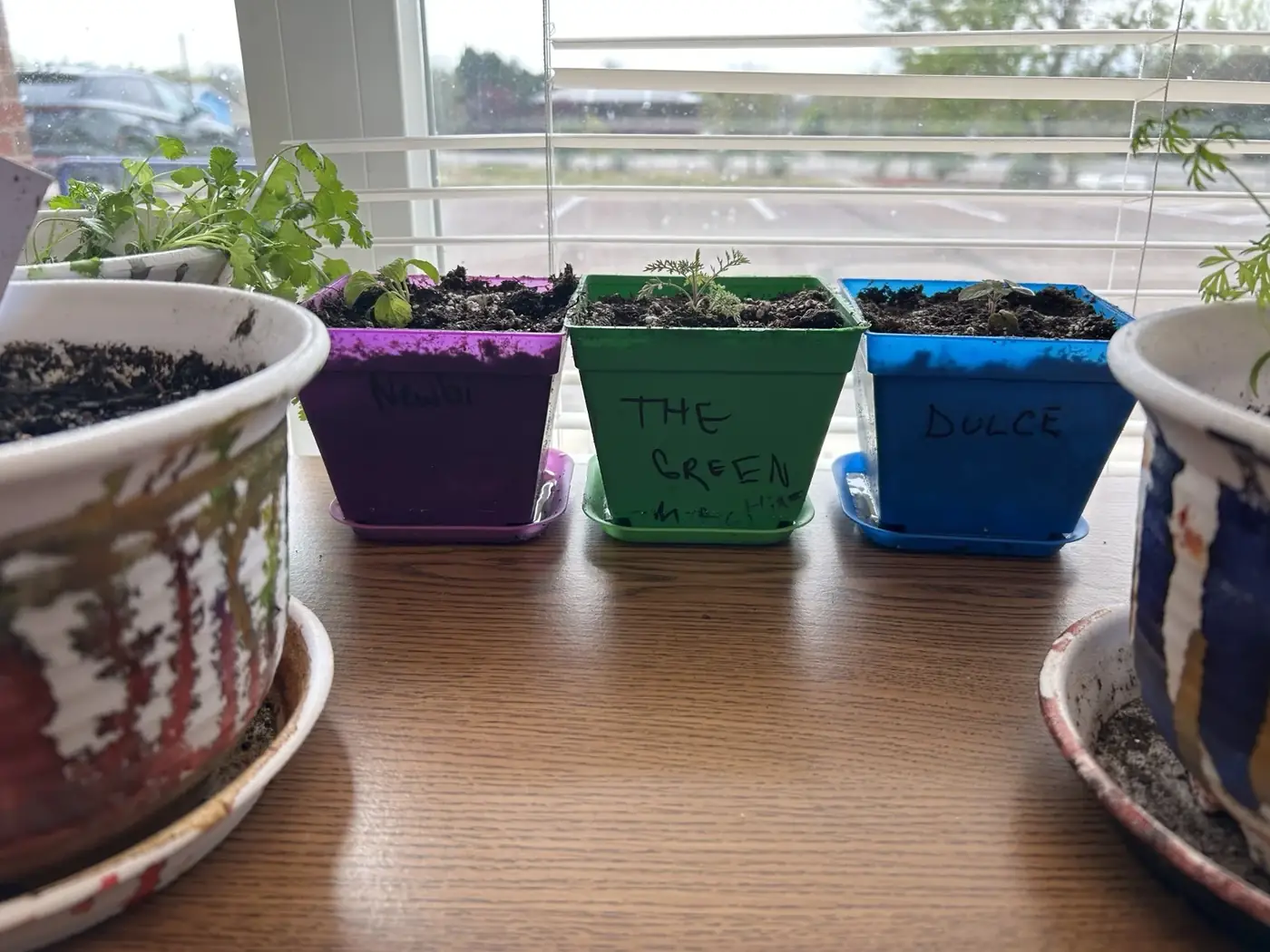
Named foster plants kept on site.
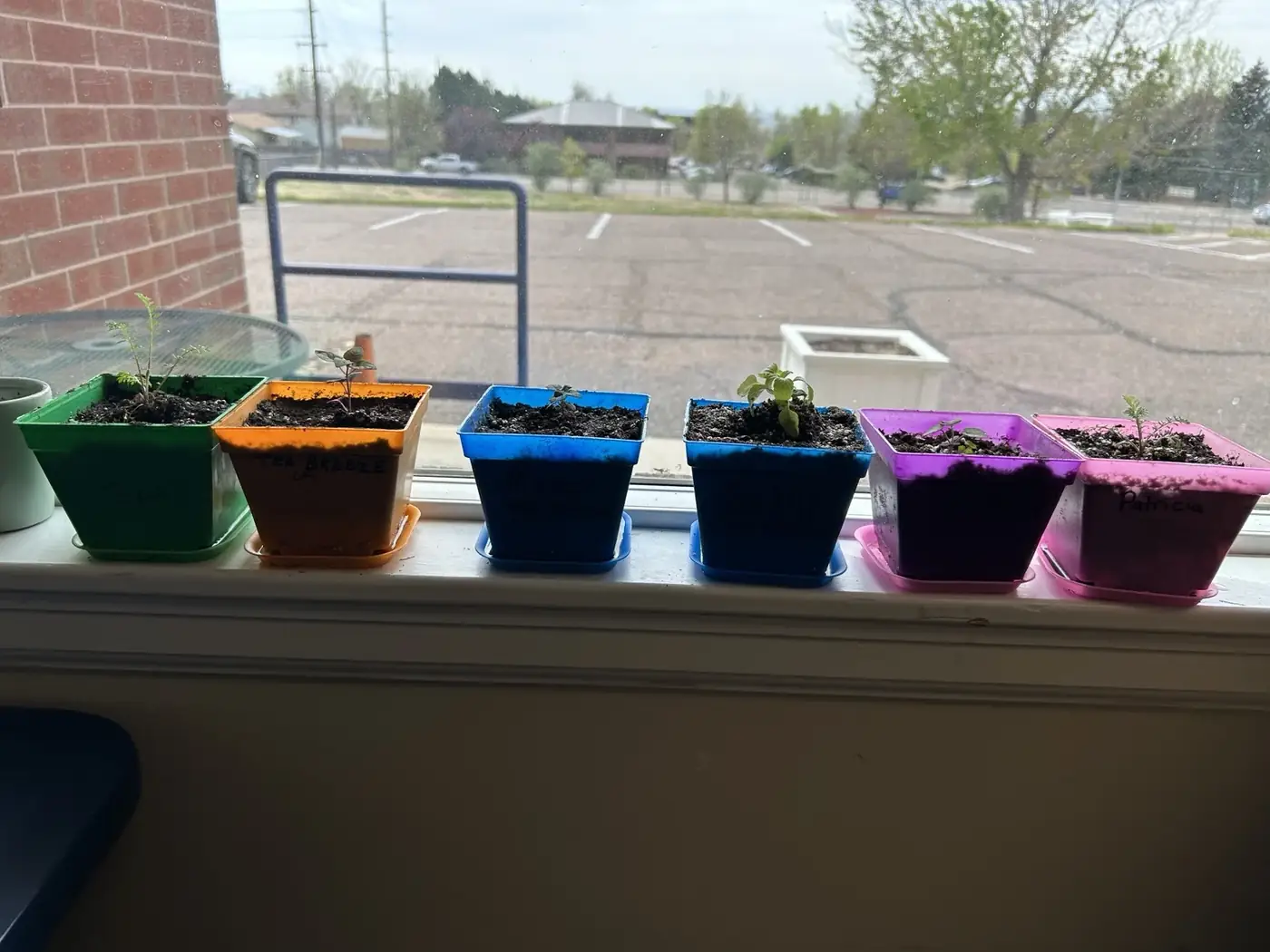
Plants continuing at the foster community.
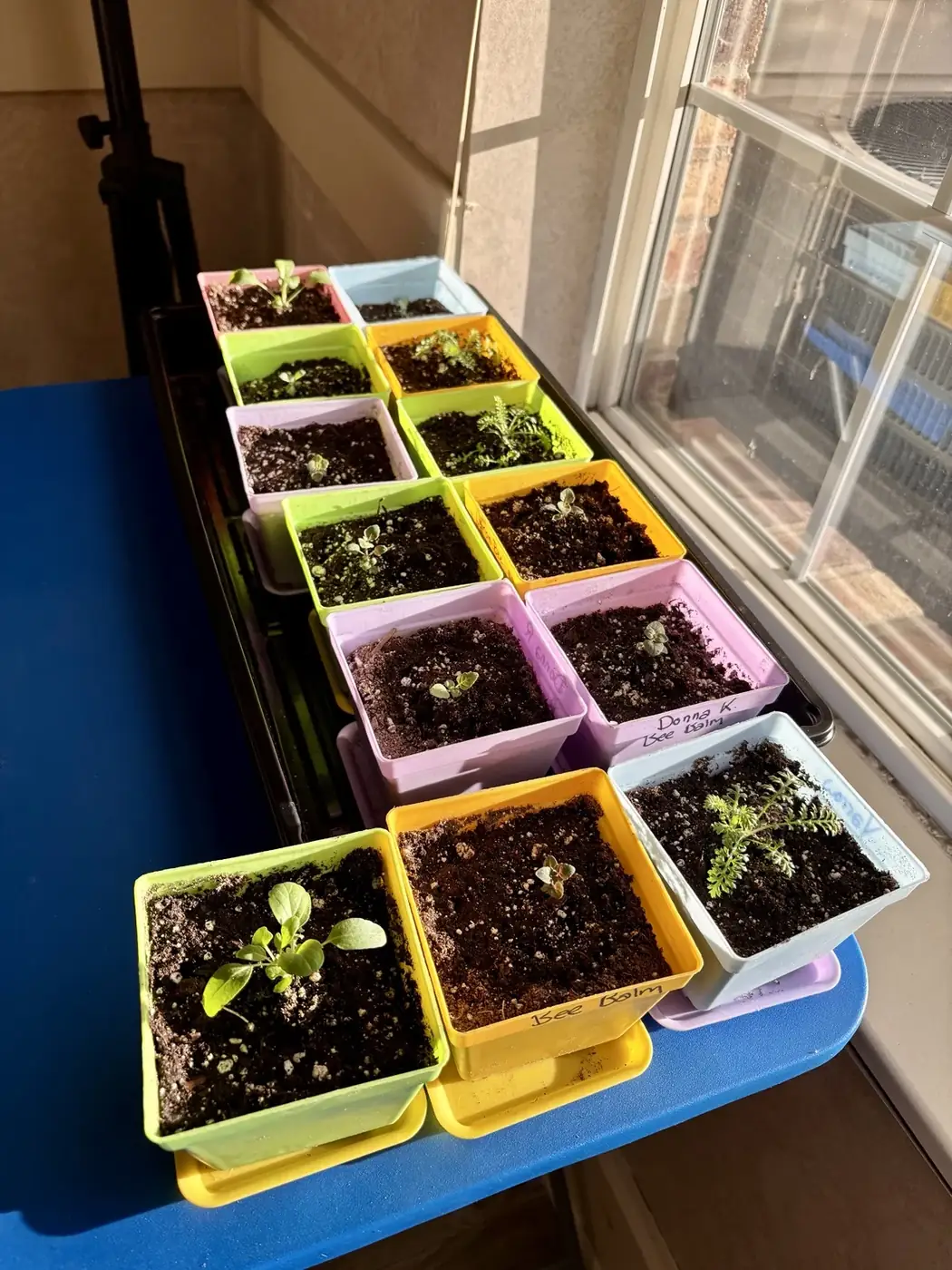
Foster plants kept on site.
Different places, one continuing story.
Public flower bed. 15 plants from ABLE.
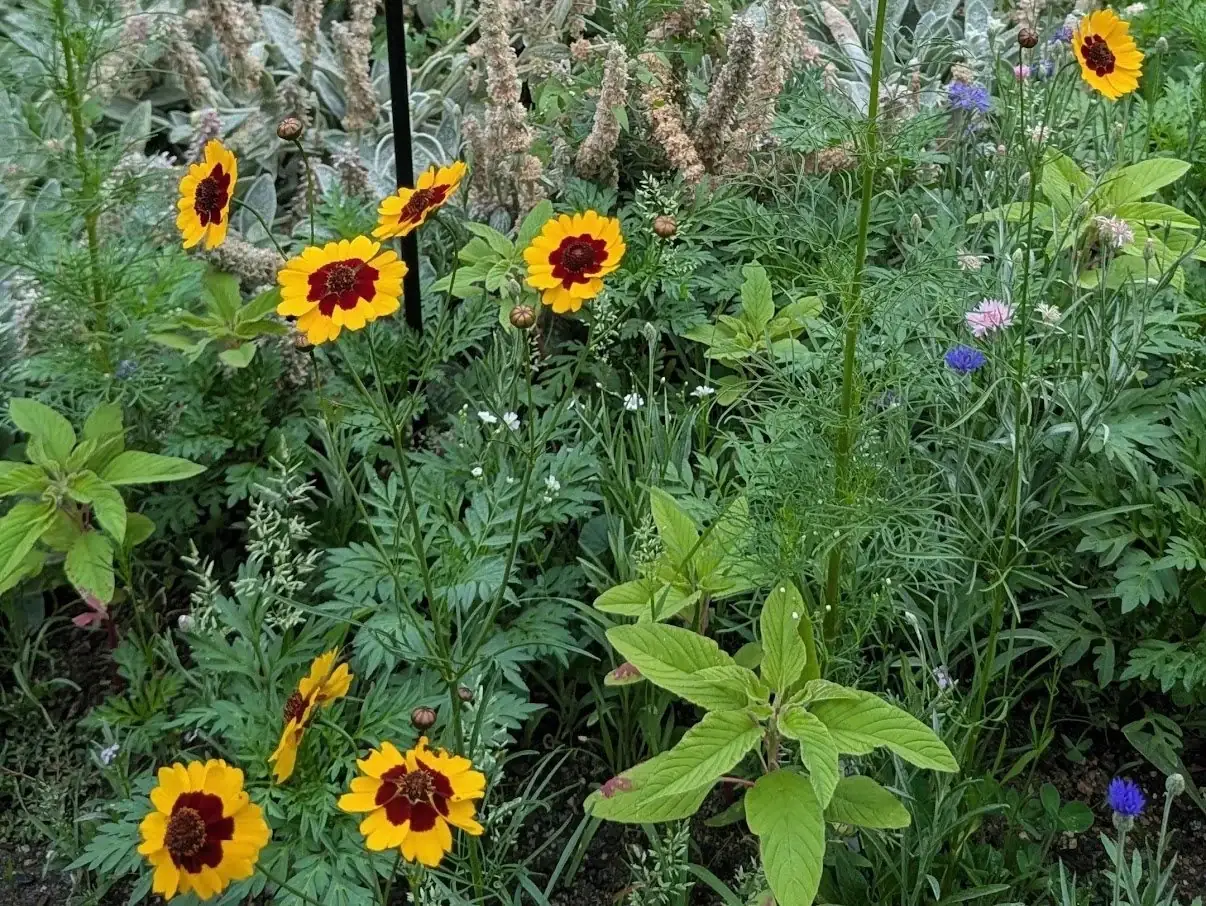
School habitat. Over 55 Foster-a-Sprout plants to date.
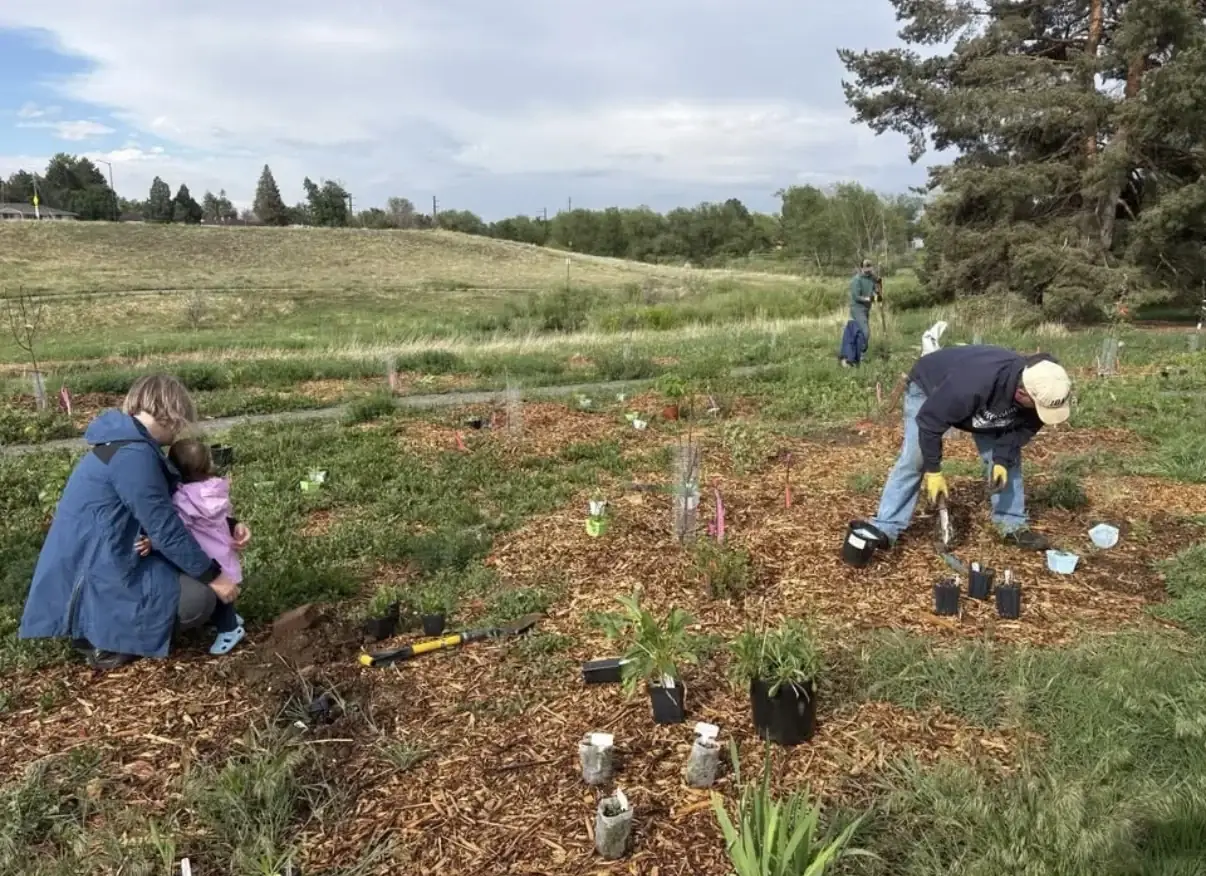
45 plants were routed here from ABLE and Care Group Northglenn.
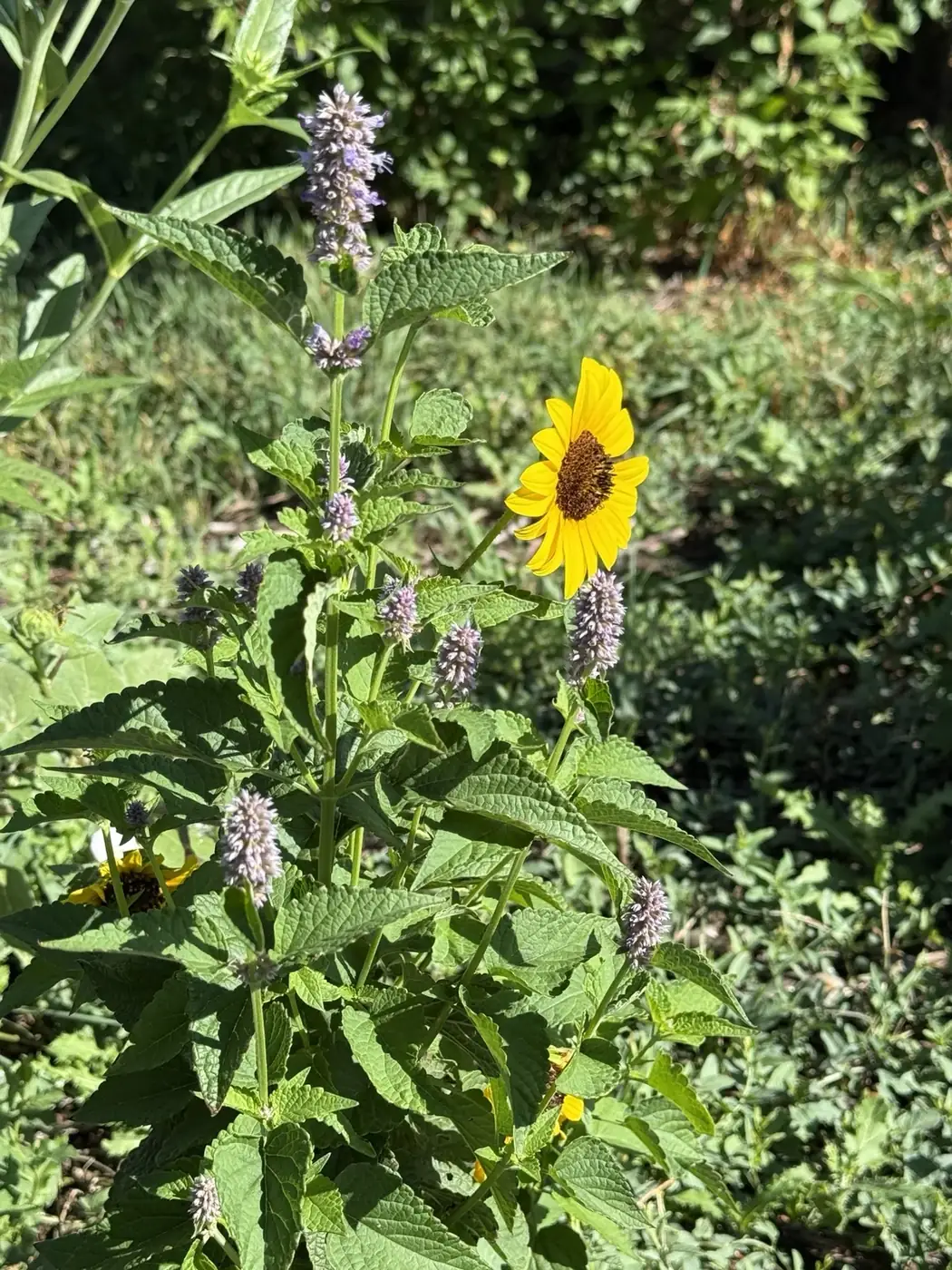
About 6 supplemental plants were routed here during the pilot.
Superior open space
30 native plants to Superior open space. Update soon, hopefully.
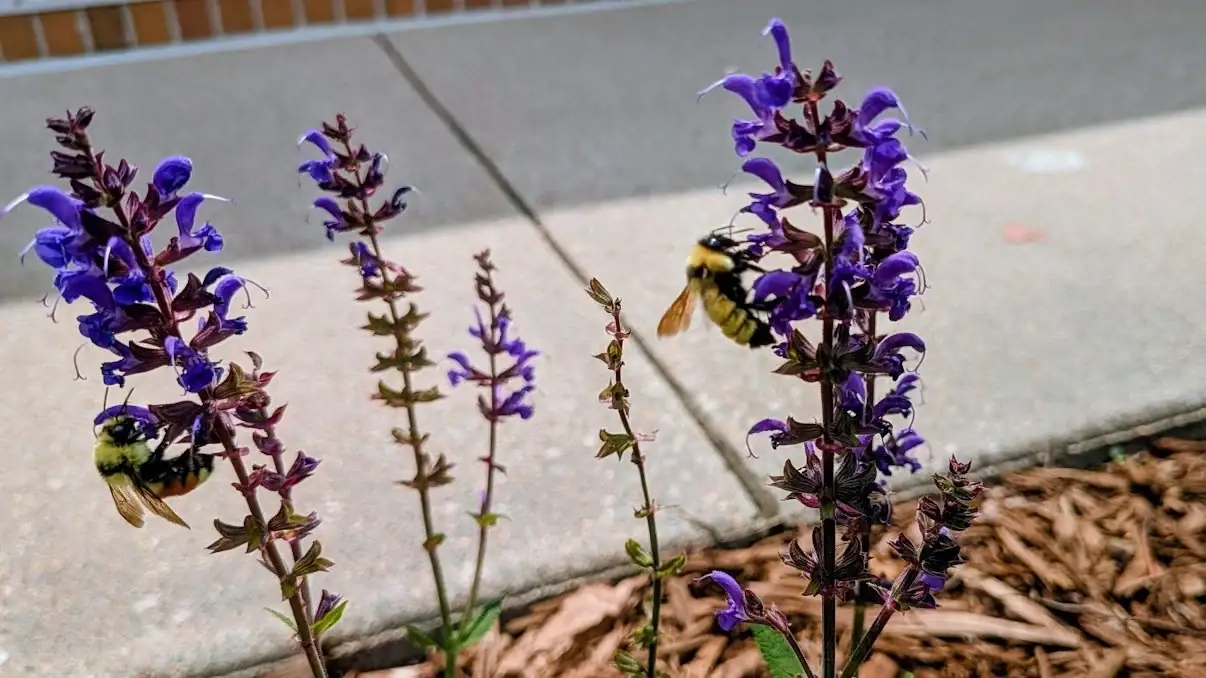
Participants can see what their care became.
When plants are sent forward, a photo from the permanent habitat can be shared back with the foster community. It closes the loop between caring for a young plant and seeing it become part of habitat.
Get Involved